




A Contact Lens Prototype Out of UC San Diego Automatically Changes Focus and Zoom
A vision of the future.
-
CategoryMakers + Entrepreneurs, Tech
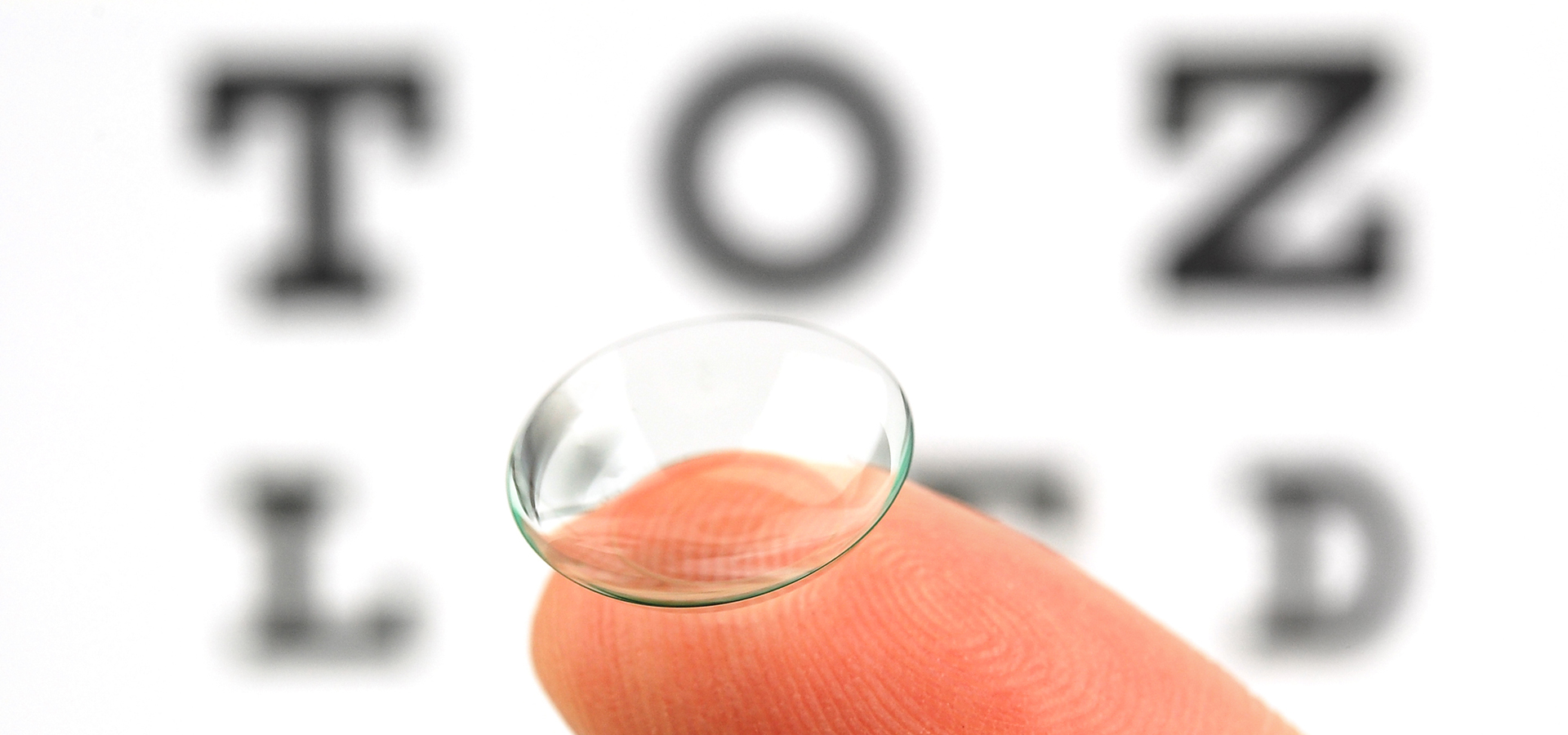
Many contact lens wearers still rely on glasses to adjust their vision due to multiple prescriptions. But a new contact lens prototype designed by researchers at UC San Diego may offer those users a progressive option. The product in its current form is not quite ready for human use, but Gizmodo suggests the lens could someday allow the wearer to adjust between near and far focus automatically.
“There are two parts to the new contact lens, as detailed in a recently published paper, “A Biomimetic Soft Lens Controlled by Electrooculographic Signal.” The first is the lens itself, which mimics how the lens in the human eye works. Instead of organic tissue, it’s made from layers of stretchy polymer films that change their structure when an electrical current is applied. In this case, wires deliver electricity from an external power source which causes the layers to either expand, reducing the lens’s thickness, or contract, which has the opposite effect. (Imagine a squishy ball getting thinner as you squeeze it.) In either behavior, the focal point of the light passing through the artificial lens is altered, which defines what in front of the lens appears in focus.”
But how does the lens know how to switch between near and far? The answer may surprise you. Read about it here.



Friday Finds: Oktoberfest in California
Let the beer steins overflow with fun.

This Sierra Nevada Foothills Town Will Hire Goats to Prevent Future Fire Disasters
Seeking insatiable herbivores.
A Local Photographer Captures Some of Mavericks Most Epic Waves in Years
When surf’s up … way up.